
The Three-Layer Platform Model
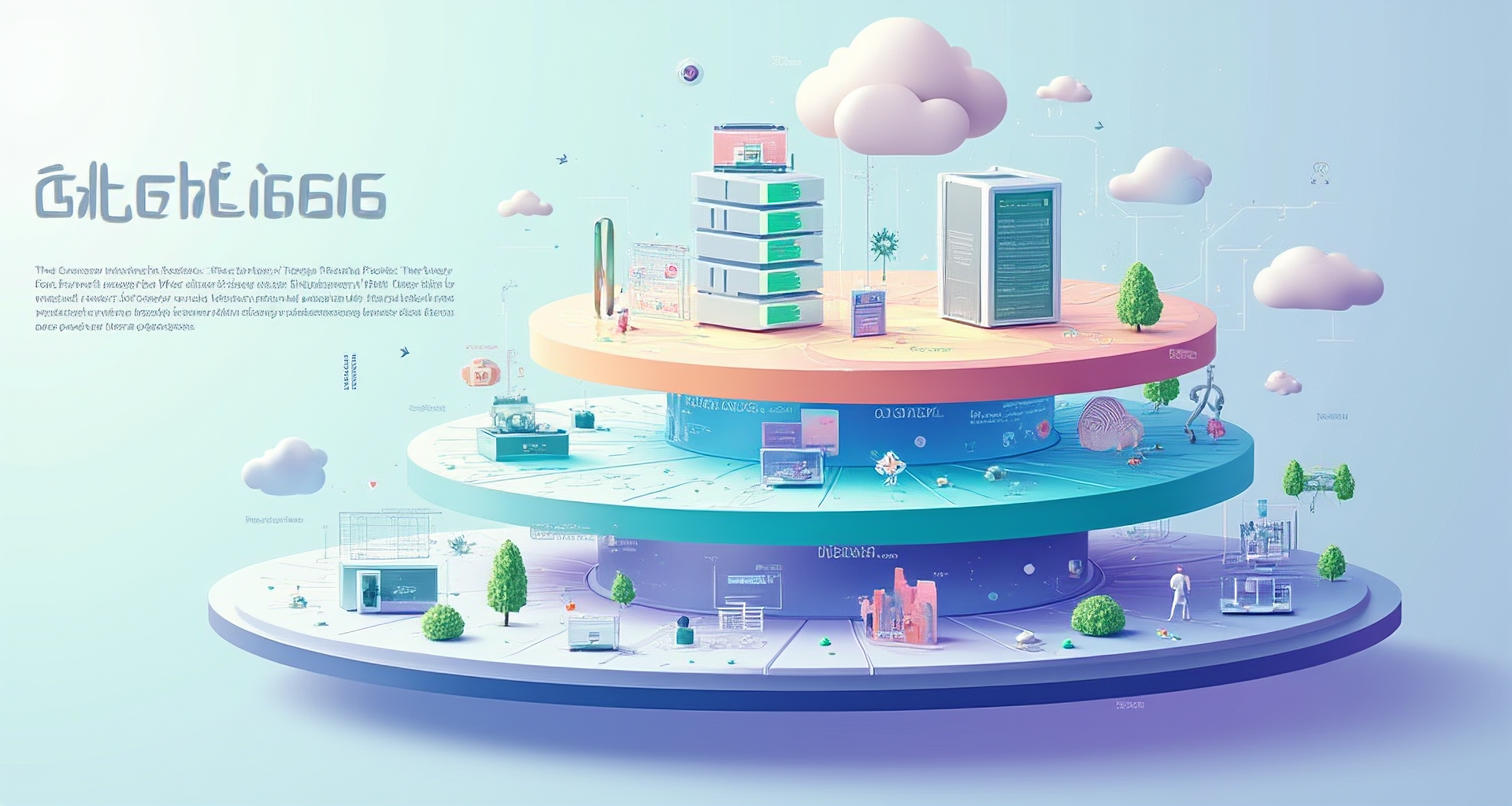
Businesses are drowning in a sea of disconnected tools, fragmented workflows, and inefficiencies that stifle productivity and innovation. The era of ad-hoc tooling—where teams cobble together disparate software solutions without a unified strategy—is coming to an end. Enter the three-layer platform model, a revolutionary framework designed to replace chaos with structured efficiency, scalability, and seamless integration. This model is not just a theoretical concept; it’s a proven strategy being adopted by industry leaders to streamline operations, reduce costs, and accelerate innovation.
This blog post explores the three-layer platform model in depth, breaking down its components, real-world applications, and the transformative impact it’s having on businesses in 2025. Whether you're a startup looking to scale or an enterprise aiming to modernize your tech stack, this guide will equip you with the knowledge to master efficiency and leave ad-hoc tooling chaos behind.
The Problem with Ad-Hoc Tooling
Ad-hoc tooling refers to the practice of using unconnected, standalone tools to address specific needs without a cohesive strategy. While this approach might seem flexible and cost-effective in the short term, it leads to a host of long-term problems:
- Fragmented Workflows: Teams use different tools for similar tasks, creating silos and inefficiencies. For example, marketing might use one analytics tool while sales uses another, leading to inconsistent data and misaligned strategies.
- High Maintenance Costs: Managing multiple tools requires significant time and resources for updates, integrations, and training. According to a 2025 Gartner report, companies spend 30% of their IT budgets on maintaining and integrating ad-hoc tools.
- Scalability Challenges: As businesses grow, ad-hoc tools struggle to keep up, leading to bottlenecks and performance issues. For instance, a startup might outgrow its initial CRM system, forcing a costly and disruptive migration.
- Security Risks: Each additional tool introduces potential vulnerabilities. A 2025 study by IBM found that companies using more than 20 standalone tools experience 50% more security incidents than those with integrated platforms.
- Reduced Collaboration: Without a unified system, teams struggle to share data and insights, slowing decision-making and innovation.
The three-layer platform model addresses these challenges by providing a structured, scalable, and efficient alternative to ad-hoc tooling.
The Three-Layer Platform Model: An Overview
The three-layer platform model is designed to standardize, integrate, and optimize business operations. It consists of three distinct layers, each serving a specific purpose while working seamlessly with the others. This model is inspired by advancements in AI, cloud computing, and platform engineering, and it’s being adopted across industries to replace fragmented tooling with cohesive systems.
Layer 1: Infrastructure Layer
The Infrastructure Layer is the foundation of the three-layer model. It provides the hardware, networking, and cloud resources necessary to support the platform. This layer ensures scalability, reliability, and security, allowing businesses to focus on innovation rather than maintenance.
Key Components:
- Cloud Computing: Leveraging cloud providers like AWS, Azure, or Google Cloud to ensure scalability and flexibility. For example, a company might use AWS for its global infrastructure, enabling seamless expansion into new markets.
- Containerization and Orchestration: Tools like Docker and Kubernetes allow businesses to deploy and manage applications efficiently. Kubernetes, in particular, enables autoscaling, ensuring that resources are allocated dynamically based on demand.
- Data Storage and Management: Unified databases and data lakes, such as Snowflake or Databricks, provide a single source of truth for all business data. This eliminates data silos and ensures consistency across teams.
- Security and Compliance: Robust security protocols, including zero-trust architecture, encryption, and compliance tools, protect sensitive data and ensure regulatory adherence.
Real-World Example: Netflix’s Cloud Infrastructure
Netflix is a prime example of a company that has mastered the Infrastructure Layer. By migrating to AWS, Netflix eliminated the need for physical data centers, reducing costs and improving scalability. Its use of Kubernetes for container orchestration allows it to deploy updates seamlessly, ensuring a smooth streaming experience for millions of users worldwide.
Detailed Breakdown of Netflix’s Infrastructure
- AWS Services: Netflix uses a variety of AWS services, including EC2 for compute, S3 for storage, and Lambda for serverless functions. This allows it to scale its infrastructure dynamically based on demand.
- Kubernetes Orchestration: Netflix uses Kubernetes to manage its containerized applications. This enables it to deploy updates without downtime, ensuring a seamless experience for users.
- Data Lakes: Netflix uses Databricks to manage its data lakes, providing a unified repository for all its data. This allows it to analyze user behavior and optimize its content recommendations.
- Security Protocols: Netflix implements zero-trust architecture to protect its data. This ensures that only authorized users can access sensitive information, reducing the risk of data breaches.
Additional Examples: Other Companies Leveraging Cloud Infrastructure
- Spotify: Spotify uses Google Cloud to manage its music streaming platform. By leveraging Google’s global infrastructure, Spotify ensures low-latency streaming for users worldwide.
- Uber: Uber uses AWS to manage its ride-hailing and food delivery services. By using AWS’s scalable infrastructure, Uber can handle peak demand during busy periods without compromising performance.
Layer 2: Model Layer
The Model Layer is where the intelligence and logic of the platform reside. This layer includes AI models, business logic, and automation workflows that drive decision-making and operational efficiency. The Model Layer is designed to be modular and reusable, allowing businesses to leverage the same capabilities across multiple applications.
Key Components:
- AI and Machine Learning Models: Pre-trained and custom AI models for tasks like predictive analytics, natural language processing (NLP), and computer vision. For example, a retail company might use AI models to predict customer demand and optimize inventory.
- Business Logic and Workflows: Standardized processes and rules that govern how the platform operates. This includes automation workflows for tasks like customer onboarding, order processing, and fraud detection.
- APIs and Microservices: APIs enable seamless communication between different components of the platform, while microservices allow for independent scaling and updates. For instance, an e-commerce platform might use microservices for payment processing, inventory management, and customer support.
- Context Management: Tools like Model Context Protocol (MCP) ensure that AI models have the right context to operate effectively. This reduces latency and improves accuracy, as seen in OpenAI’s 2025 studies, where MCP servers cut latency by 40%.
Real-World Example: Fujitsu’s AI Platform
Fujitsu’s AI platform exemplifies the Model Layer in action. By adopting a three-layer framework (Application, Model, Infrastructure), Fujitsu empowers employees to build custom AI models tailored to their needs. For example, its manufacturing division uses AI to predict equipment failures, while its customer support team leverages NLP models to automate responses. This modular approach has led to a 40% increase in AI-driven productivity and a 30% reduction in model deployment time.
Detailed Breakdown of Fujitsu’s AI Platform
- Pre-Trained Models: Fujitsu’s platform includes a library of pre-trained AI models for common tasks, such as NLP and image recognition. These models can be fine-tuned for specific use cases, such as predicting equipment failures or personalizing customer interactions.
- Customization Tools: Employees can use the platform’s customization tools to build and deploy their own AI models. This enables them to address specific business needs without relying on external vendors.
- Collaboration Features: The platform includes collaboration features that allow employees to share models, collaborate on improvements, and deploy models across the organization. This fosters a culture of innovation and continuous improvement.
- Context Management: Fujitsu uses Model Context Protocol (MCP) to ensure that its AI models have the right context to operate effectively. This reduces latency and improves accuracy, enabling faster decision-making.
Additional Examples: Other Companies Leveraging AI Models
- Tesla: Tesla uses AI models for autonomous driving, predictive maintenance, and energy management. By leveraging AI, Tesla can optimize its vehicles' performance and reduce downtime.
- Amazon: Amazon uses AI models for personalized recommendations, fraud detection, and supply chain optimization. By leveraging AI, Amazon can provide a seamless shopping experience for its customers.
Layer 3: Application Layer
The Application Layer is the user-facing component of the platform. It includes the interfaces, dashboards, and applications that employees and customers interact with. This layer is designed to be intuitive, customizable, and responsive, ensuring a seamless user experience.
Key Components:
- User Interfaces (UI) and Dashboards: Customizable dashboards that provide real-time insights and analytics. For example, a sales team might use a dashboard to track performance metrics, customer interactions, and revenue forecasts.
- Low-Code/No-Code Tools: Platforms like Microsoft Power Apps or Salesforce Lightning enable non-technical users to build and customize applications without coding. This democratizes innovation and accelerates digital transformation.
- Integration Hubs: Centralized hubs that connect the platform with third-party tools and services. For instance, a marketing team might integrate their platform with HubSpot or Mailchimp for email campaigns.
- Collaboration Tools: Features like real-time messaging, file sharing, and project management foster teamwork and communication. Tools like Slack, Microsoft Teams, or Notion can be embedded within the platform to enhance collaboration.
Real-World Example: Salesforce’s Customer 360
Salesforce’s Customer 360 platform is a stellar example of the Application Layer. It provides a unified interface for sales, marketing, and customer service teams, offering real-time insights into customer interactions. By integrating with tools like Tableau for analytics and MuleSoft for data integration, Salesforce enables businesses to deliver personalized experiences at scale. Companies using Customer 360 report a 25% increase in customer satisfaction and a 20% reduction in operational costs.
Detailed Breakdown of Salesforce’s Customer 360
- Unified Interface: Customer 360 provides a single, unified interface for sales, marketing, and customer service teams. This ensures that all teams have access to the same customer data, enabling consistent and personalized interactions.
- Real-Time Analytics: The platform integrates with Tableau to provide real-time analytics and insights. This allows teams to track customer behavior, identify trends, and make data-driven decisions.
- Data Integration: Customer 360 integrates with MuleSoft to connect with third-party tools and services. This enables businesses to leverage their existing tools while benefiting from the platform’s unified interface.
- Collaboration Tools: The platform includes collaboration tools like Slack and Microsoft Teams to foster teamwork and communication. This ensures that teams can work together seamlessly, even when they are geographically dispersed.
Additional Examples: Other Companies Leveraging Unified Interfaces
- Microsoft Dynamics 365: Microsoft Dynamics 365 provides a unified interface for sales, marketing, and customer service teams. By integrating with tools like Power BI for analytics and Azure for data integration, Microsoft Dynamics 365 enables businesses to deliver personalized experiences at scale.
- HubSpot: HubSpot provides a unified interface for marketing, sales, and customer service teams. By integrating with tools like Google Analytics for analytics and Zapier for data integration, HubSpot enables businesses to deliver personalized experiences at scale.
How the Three-Layer Platform Model Replaces Ad-Hoc Tooling Chaos
The three-layer platform model addresses the core issues of ad-hoc tooling by providing a structured, scalable, and integrated approach. Here’s how it solves each problem:
1. Eliminating Fragmented Workflows
By standardizing processes and data across the three layers, the platform model ensures that all teams work from a single source of truth. For example:
- Marketing and Sales Alignment: Both teams access the same customer data and analytics, ensuring consistent messaging and strategies.
- Unified Data Management: A centralized database eliminates silos, providing real-time access to accurate data.
2. Reducing Maintenance Costs
The three-layer model reduces the need for multiple standalone tools, cutting maintenance costs by up to 40%, according to a 2025 Deloitte study. Key savings come from:
- Consolidated Infrastructure: Fewer tools mean fewer servers, licenses, and support contracts.
- Automated Updates: Platforms like Kubernetes enable automated scaling and updates, reducing manual intervention.
3. Enabling Scalability
The modular design of the three-layer model allows businesses to scale effortlessly. For example:
- Cloud-Based Infrastructure: Companies can expand their operations without investing in physical hardware.
- Microservices Architecture: Independent scaling of services ensures that high-demand features (e.g., payment processing) don’t bottleneck the entire system.
4. Enhancing Security
A unified platform reduces security risks by:
- Centralizing Security Protocols: Implementing zero-trust architecture and encryption across all layers.
- Reducing Attack Surfaces: Fewer tools mean fewer entry points for cyber threats.
5. Fostering Collaboration
The Application Layer’s collaboration tools and unified interfaces break down team silos. For example:
- Real-Time Data Sharing: Teams access the same dashboards and reports, enabling faster decision-making.
- Integrated Communication: Tools like Slack or Teams embedded within the platform streamline communication.
Implementing the Three-Layer Platform Model: A Step-by-Step Guide
Transitioning from ad-hoc tooling to a three-layer platform model requires careful planning and execution. Here’s a step-by-step roadmap to help you get started:
Step 1: Assess Your Current Tooling Landscape
Begin by auditing your existing tools and workflows:
- Identify Redundancies: List all tools used across departments and highlight overlaps.
- Map Data Flows: Understand how data moves between tools and where bottlenecks occur.
- Evaluate Costs: Calculate the total cost of ownership (TCO) for each tool, including licenses, maintenance, and training.
Step 2: Define Your Platform Strategy
Based on your audit, define the goals and scope of your platform:
- Prioritize Use Cases: Identify high-impact areas (e.g., customer experience, AI-driven analytics) where the platform will deliver the most value.
- Choose a Deployment Model: Decide whether to build a custom platform, adopt an existing solution (e.g., Salesforce, SAP), or use a hybrid approach.
- Set KPIs: Define key performance indicators (KPIs) to measure success, such as cost savings, productivity gains, and scalability improvements.
Step 3: Build the Infrastructure Layer
Lay the foundation for your platform by:
- Selecting Cloud Providers: Choose a cloud provider (AWS, Azure, Google Cloud) based on your scalability and security needs.
- Implementing Containerization: Use Docker and Kubernetes to manage applications and ensure seamless scaling.
- Setting Up Data Storage: Deploy unified databases like Snowflake or Databricks to centralize data management.
Step 4: Develop the Model Layer
Create the intelligence and logic that will power your platform:
- Integrate AI Models: Adopt pre-trained AI models or develop custom ones for tasks like predictive analytics or NLP.
- Standardize Business Logic: Define workflows and rules for processes like customer onboarding or inventory management.
- Implement APIs and Microservices: Use APIs to connect different components and microservices to enable independent scaling.
Step 5: Design the Application Layer
Build the user-facing components of your platform:
- Develop Custom Dashboards: Use tools like Tableau or Power BI to create real-time analytics dashboards.
- Adopt Low-Code/No-Code Tools: Empower non-technical users to customize applications using platforms like Microsoft Power Apps.
- Integrate Third-Party Tools: Connect your platform with external tools (e.g., HubSpot, Slack) to enhance functionality.
Step 6: Pilot and Iterate
Launch a pilot program to test your platform:
- Select a Pilot Team: Choose a department (e.g., marketing or sales) to test the platform in a controlled environment.
- Gather Feedback: Collect input from users to identify pain points and areas for improvement.
- Iterate and Scale: Refine the platform based on feedback and gradually roll it out to other teams.
Step 7: Monitor and Optimize
Continuously monitor the platform’s performance and optimize as needed:
- Track KPIs: Measure success against your defined KPIs (e.g., cost savings, productivity gains).
- Update Regularly: Keep the platform up-to-date with the latest technologies and security patches.
- Foster a Culture of Innovation: Encourage teams to explore new use cases and features to maximize the platform’s value.
Case Studies: Success Stories of the Three-Layer Platform Model
Case Study 1: Coca-Cola’s Digital Transformation
Coca-Cola faced significant challenges with its fragmented global operations, where different regions used disparate tools for supply chain management, marketing, and sales. In 2024, the company adopted a three-layer platform model to unify its operations:
- Infrastructure Layer: Migrated to Microsoft Azure for cloud hosting and deployed Kubernetes for container orchestration.
- Model Layer: Implemented AI-driven demand forecasting and automated supply chain workflows.
- Application Layer: Rolled out a unified dashboard for real-time analytics and collaboration tools for global teams.
Results:
- 30% reduction in operational costs
- 25% improvement in supply chain efficiency
- 20% increase in marketing ROI
Case Study 2: Airbnb’s Platform Engineering
Airbnb struggled with tooling chaos as it scaled globally, leading to inefficiencies in customer support, pricing, and property management. In 2025, the company adopted a three-layer platform model to streamline operations:
- Infrastructure Layer: Leveraged AWS and Docker for scalable cloud infrastructure.
- Model Layer: Developed AI models for dynamic pricing and fraud detection, integrated via APIs.
- Application Layer: Created a unified host and guest portal with embedded collaboration tools.
Results:
- 40% faster response times for customer support
- 15% increase in booking conversions due to dynamic pricing
- 50% reduction in fraudulent transactions
Case Study 3: Tesla’s AI-Driven Innovation
Tesla has been at the forefront of AI-driven innovation, leveraging the three-layer platform model to enhance its operations:
- Infrastructure Layer: Uses AWS and Google Cloud for scalable cloud infrastructure.
- Model Layer: Developed AI models for autonomous driving, predictive maintenance, and energy management.
- Application Layer: Created a unified interface for customers to manage their vehicles, access real-time analytics, and collaborate with Tesla’s support team.
Results:
- 20% improvement in vehicle performance due to AI-driven optimizations
- 30% reduction in maintenance costs due to predictive maintenance
- 25% increase in customer satisfaction due to personalized experiences
The Future of the Three-Layer Platform Model
The three-layer platform model is not just a trend—it’s the future of business operations. As we move into 2026 and beyond, several key developments will shape its evolution:
1. AI-Driven Automation
AI will play an increasingly central role in the Model Layer, enabling hyper-automation of workflows. For example:
- Self-Healing Systems: AI models will detect and resolve issues in real-time, reducing downtime.
- Predictive Maintenance: AI-driven analytics will anticipate equipment failures and schedule maintenance proactively.
2. Edge Computing Integration
The Infrastructure Layer will expand to include edge computing, enabling faster processing and reduced latency for applications like IoT and real-time analytics. For instance, a manufacturing company might use edge computing to monitor production lines in real-time, optimizing efficiency and reducing waste.
3. Enhanced Collaboration Tools
The Application Layer will evolve to include immersive collaboration tools, such as virtual reality (VR) and augmented reality (AR). These tools will enable teams to work together in virtual environments, enhancing creativity and problem-solving.
4. Sustainability and Green Tech
Businesses will prioritize sustainable platform designs, leveraging green cloud computing and energy-efficient data centers. For example, companies might adopt carbon-aware computing, where workloads are scheduled based on renewable energy availability.
Embrace the Three-Layer Platform Model
The three-layer platform model is a game-changer for businesses looking to replace ad-hoc tooling chaos with structured efficiency. By adopting this model, organizations can eliminate silos, reduce costs, enhance security, and foster innovation. The success stories of companies like Coca-Cola, Airbnb, and Tesla demonstrate the transformative power of this approach.
As we look ahead to 2026, the three-layer platform model will continue to evolve, incorporating AI-driven automation, edge computing, and immersive collaboration tools. Businesses that embrace this model today will be well-positioned to lead in the digital age and outpace competitors still grappling with fragmented tooling.
Are you ready to transform your business with the three-layer platform model? Start by assessing your current tooling landscape and defining a platform strategy tailored to your needs. The journey may require effort, but the rewards—efficiency, scalability, and innovation—are well worth it.
Also read: